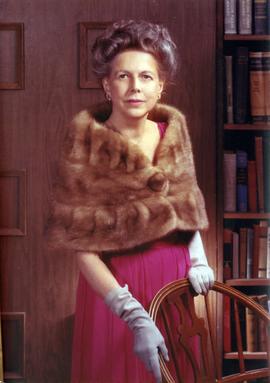
The Vera Way Marghab Papers is a comprehensive archive documenting the life and work of a woman who played a significant role in the luxury textile industry. The collection offers insight into her personal journey, from her early years in South Dakota to her time as a piano student in New York City, as well as her relationship with Emile Marghab through extensive correspondence. While much of the material is centered on her personal life, the collection also reflects her role in the linen industry as the driving force behind Marghab, Ltd. and Emile Marghab, Inc. The records highlight her meticulous nature, as she preserved extensive documentation on both her personal and professional endeavors. Given the interwoven nature of her life and career, the materials are arranged into distinct series that provide a structured approach to understanding her legacy.
The Business Series encompasses all aspects of the Marghab enterprises, both in New York and Madeira. It includes materials on the founding of the company, capturing the vision and strategy behind Emile and Vera’s business model, as well as its eventual dissolution. Correspondence reflects their relationships with artisans, business partners, and shop managers, while records on design illustrate Vera’s influence in maintaining the highest standards of quality. Trademark and copyright documents, including coded correspondence aimed at protecting proprietary designs, shed light on the competitive nature of the textile industry. One of the aspects of this series is the material related to the Mayflower cloth, a specially designed tablecloth for the 1957 Mayflower II voyage, which later became an exhibition piece at the World’s Fair in Australia. Administrative records from the New York and Madeira operations provide insight into the governance and structure of the business, including shareholder meetings, factory logistics, and high-profile engagements with diplomats and the U.S. Navy. Employee records detail the hiring process, disputes, and pension plans, while financial records illustrate the company’s fiscal health, including instances of embezzlement and tax matters. The marketing strategy developed by Vera is well-documented, with strict guidelines for Marghab Shops, controlled advertising, and policies that set the company apart from competitors. Records on the shops provide a glimpse into Vera’s selective approach, including her direct correspondence with store managers and evaluations of potential retail locations.
The Personal Series reflects Vera’s multifaceted life beyond her business endeavors. Materials include portraits and fabric samples that visually represent her legacy. Her commitment to philanthropy is evident in records of charitable donations and correspondence with organizations she supported. A large portion of the series consists of clippings and collected materials, which demonstrate her curiosity and engagement with various subjects. Personal correspondence includes letters to and from family, friends, and colleagues, some of which intersect with business matters. Financial records cover her personal wealth management, including investments, estate planning, and legal affairs. The series also includes materials on her life in Madeira, providing additional context to her time spent there beyond the confines of business. The establishment of the Marghab Gallery at the South Dakota Art Museum is well-documented, capturing her dedication to preserving the artistry of Marghab linens. Music played an important role in Vera’s early life, and materials on her musical education and performances offer insight into this passion. Personal writings, including reflections and philosophical musings, provide a more intimate look at her character and outlook on life.
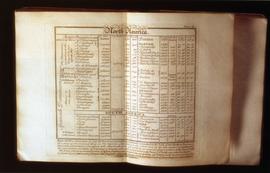
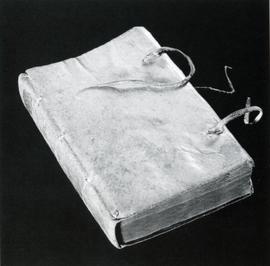
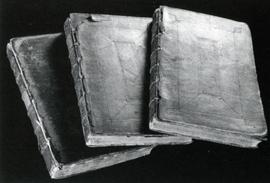
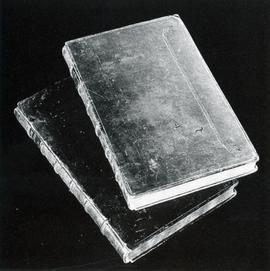
Significant figures in Vera’s life are highlighted through correspondence and clippings, most notably her husband, Emile, and her immediate family. Her engagement with politics is documented through materials on political figures and organizations of interest to her. Rare book records illustrate her scholarly interests and her contributions to South Dakota State University’s library. Recognition for her contributions to the textile industry and beyond is captured in awards, articles, and documentation of a Marghab video project. Social engagements and affiliations with arts organizations further reflect her cultural involvement. Her extensive travels, both domestic and international, are documented in travel records, revealing her connections to a broader global network. Her deep ties to Watertown, South Dakota, are evident in materials related to her home, Wayland, and her properties on Lake Kampeska, as well as documentation on community events and restoration projects.
This collection is of exceptional significance, offering researchers a rich narrative of a woman who was both a cultural tastemaker and a shrewd business leader. It captures the evolution of a company that set new standards in luxury linens, the meticulous approach that defined its success, and the challenges it faced in an ever-changing economic and political landscape. Equally important, it provides a deeply personal portrait of Vera Way Marghab, allowing scholars to explore the intersections of entrepreneurship, artistry, and personal ambition. The collection stands as a valuable resource for those interested in business history, women’s history, textile design, and the legacy of craftsmanship that Marghab linens represent.